
Our History
Pre-1940
There is evidence of Jewish people living in Western North Carolina as early as the mid-1800s. By 1892, there was enough of an Asheville Jewish community to establish the Beth Ha Tephila synagogue, and Bikur Cholim (now Beth Israel) was founded shortly thereafter in 1898.
The Jewish population in these early decades was largely made up of merchants and small business owners who operated theaters, shoe stores, groceries, galleries, and jewelry/pawn shops. There were enough Jewish-owned downtown businesses to ensure a daily minyan at closing time. These early Jewish residents served on many non-profit boards and supported business, civic, and charitable interests in town. The Jewish community in Asheville lacked a dedicated place to gather, socialize, host meetings, and celebrate. In 1916, a group of young Jewish men formed a Young Men’s Hebrew Association (YMHA), which met in rented locations around town, a precursor to the Asheville Jewish Community Center.
1940s
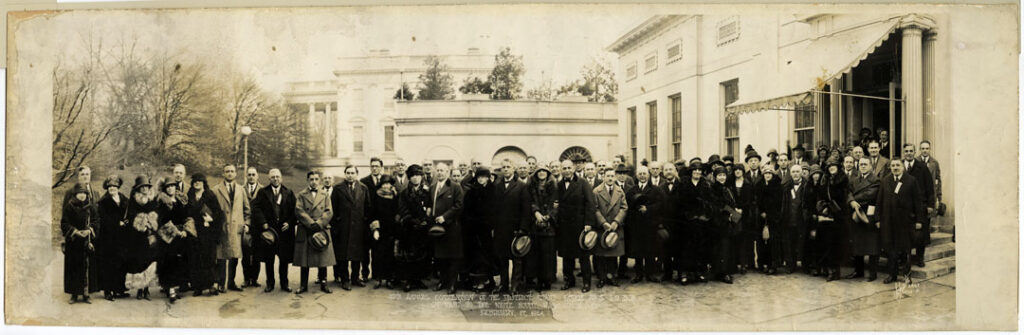
Rising antisemitism worldwide made Jewish communities less safe, and even in Asheville there were regulatory limits on where Jewish people could socialize, own property, or go swimming.
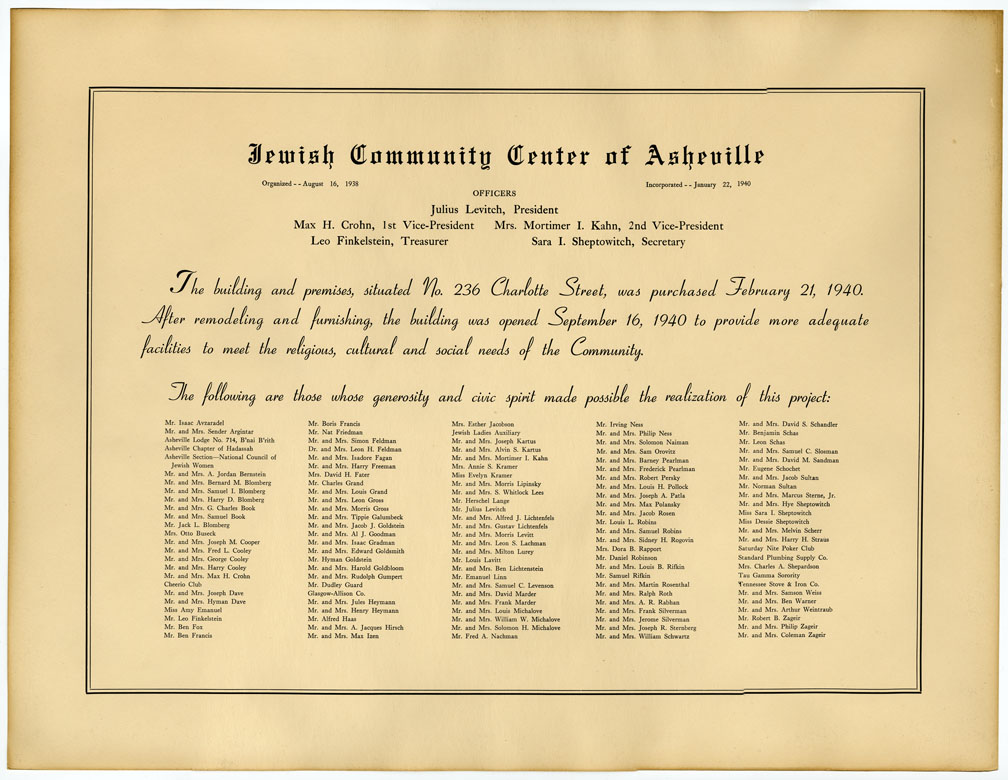
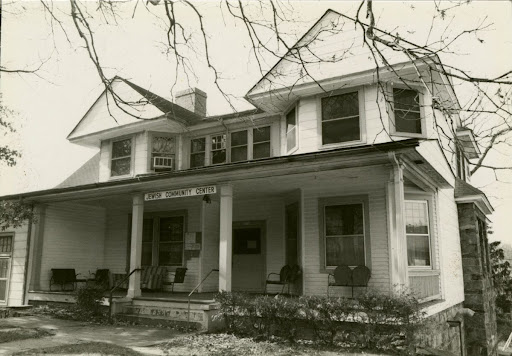
In reaction to this reality, the Asheville Jewish Community Center began organizing in 1939 thanks to a handful of local Jewish families who went door-to-door raising funds within the Jewish community to purchase a building at 236 Charlotte Street. The Asheville JCC was officially chartered in 1940, becoming North Carolina’s first JCC.
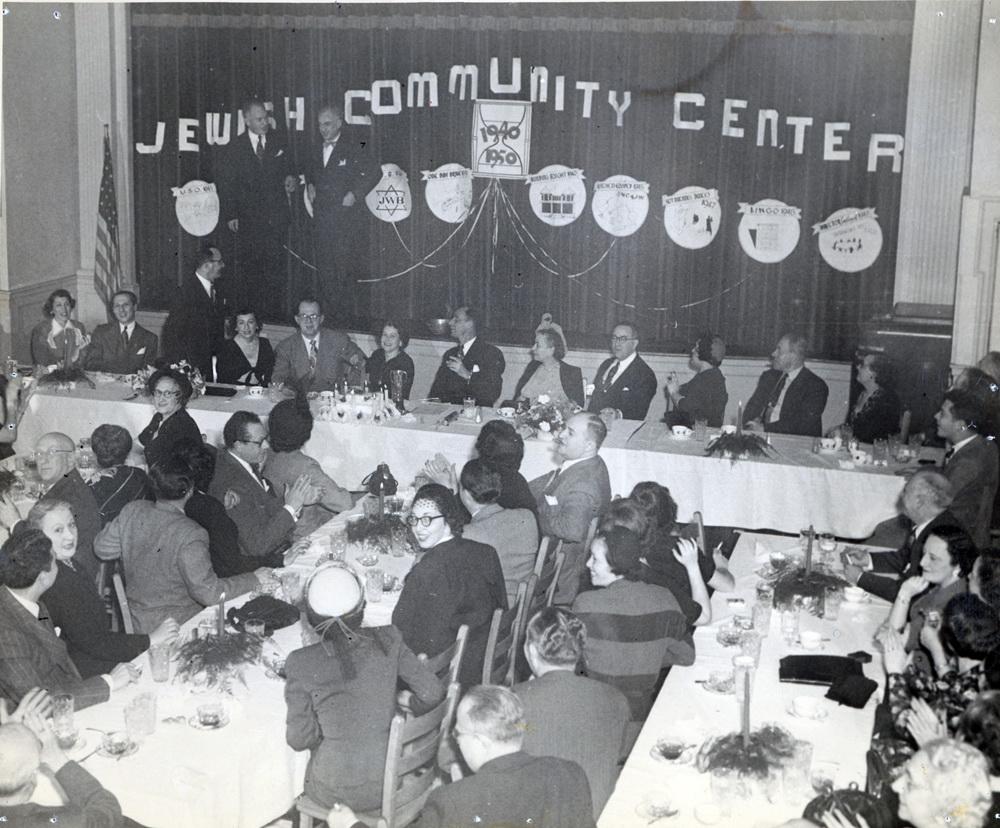
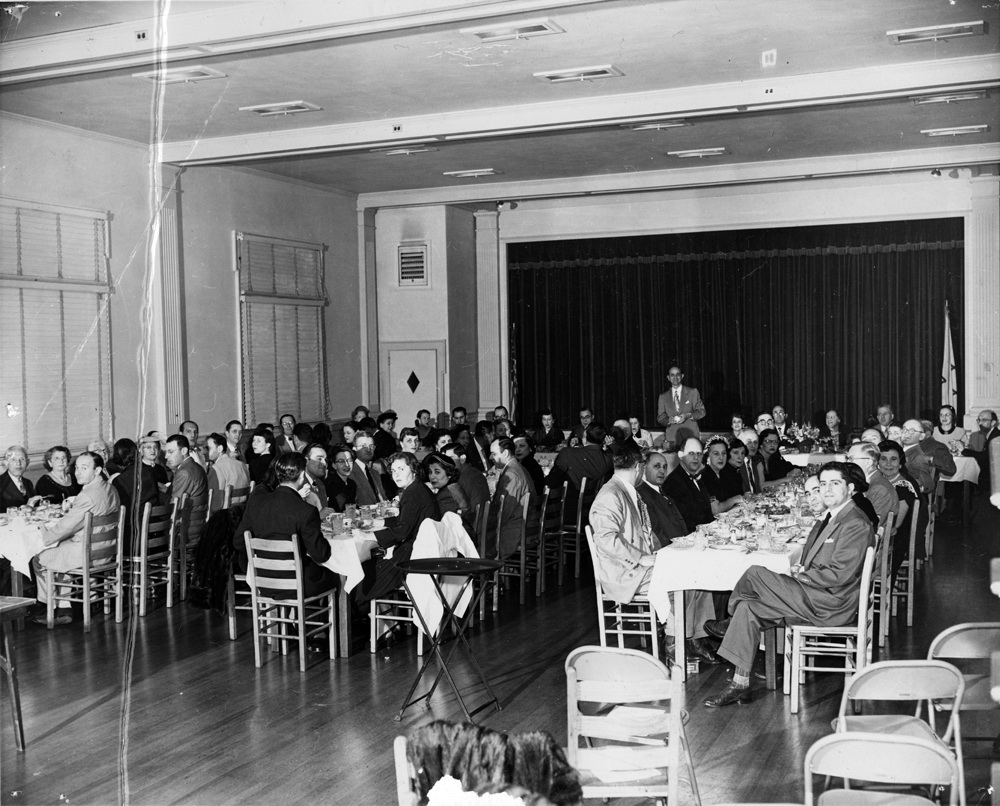
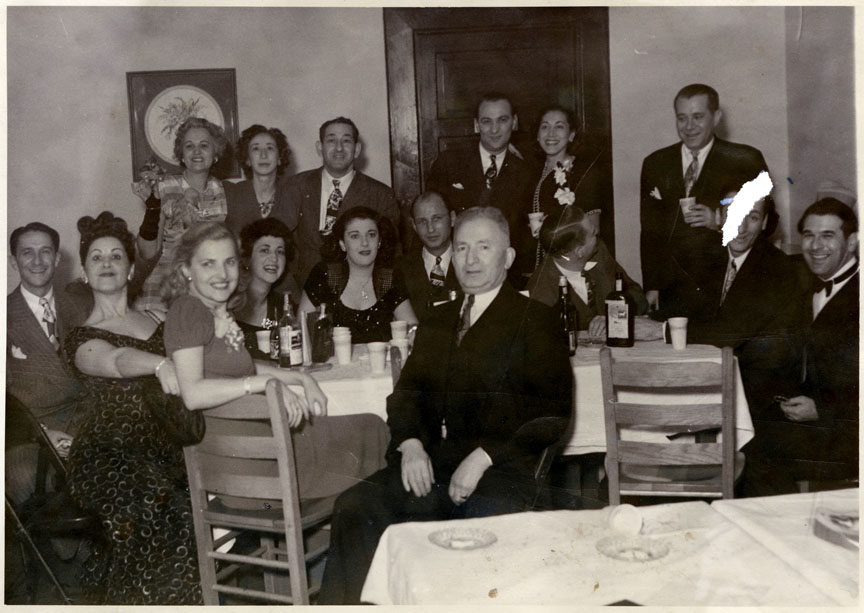
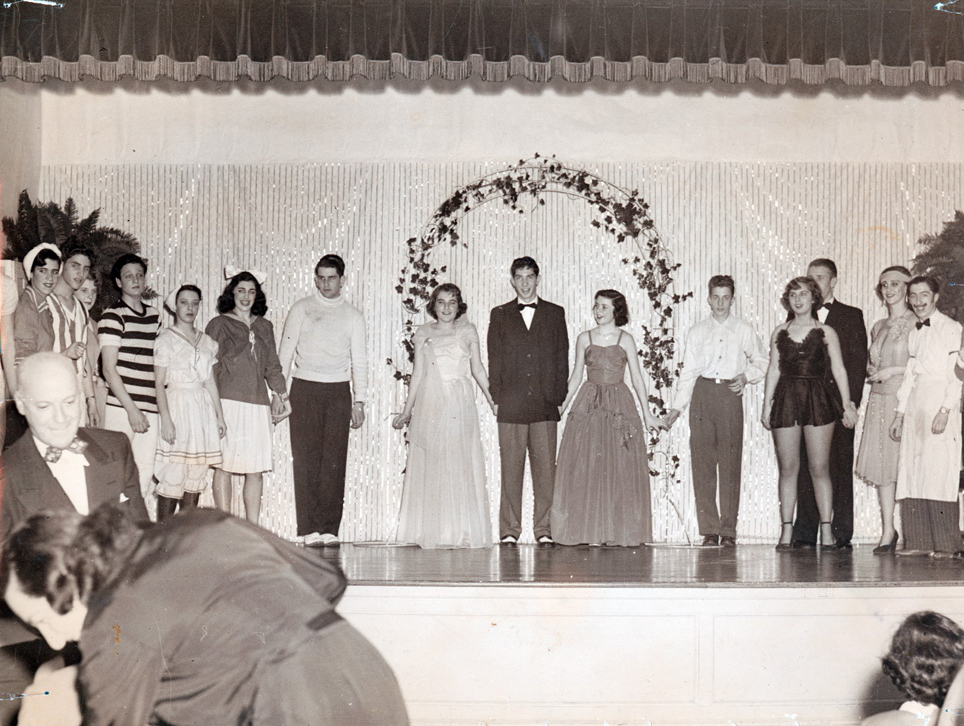
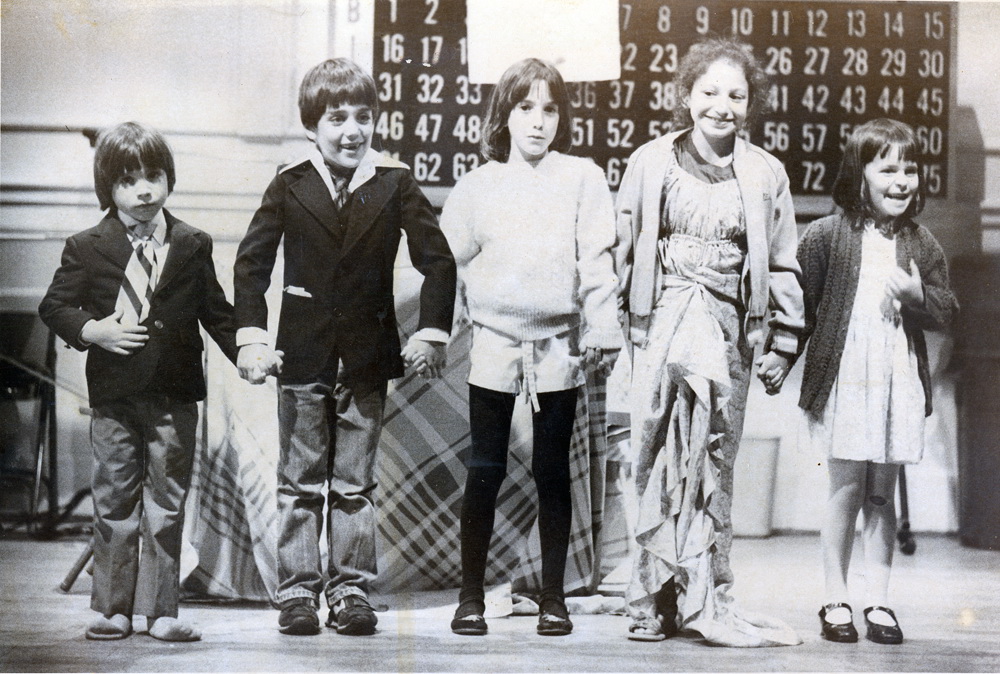
The Asheville JCC was founded as a social, recreational, and cultural gathering place where Jewish people of all ages and affiliations could feel welcomed and comfortable as themselves. Popular programs included hosting Jewish servicemen for weekend visits, spaghetti dinners, and dances; Red Cross programs; children’s fashion shows; poker games; weddings; classes; lectures; Sunday Hebrew school classes; and an annual New Year’s Eve Party.
1950s
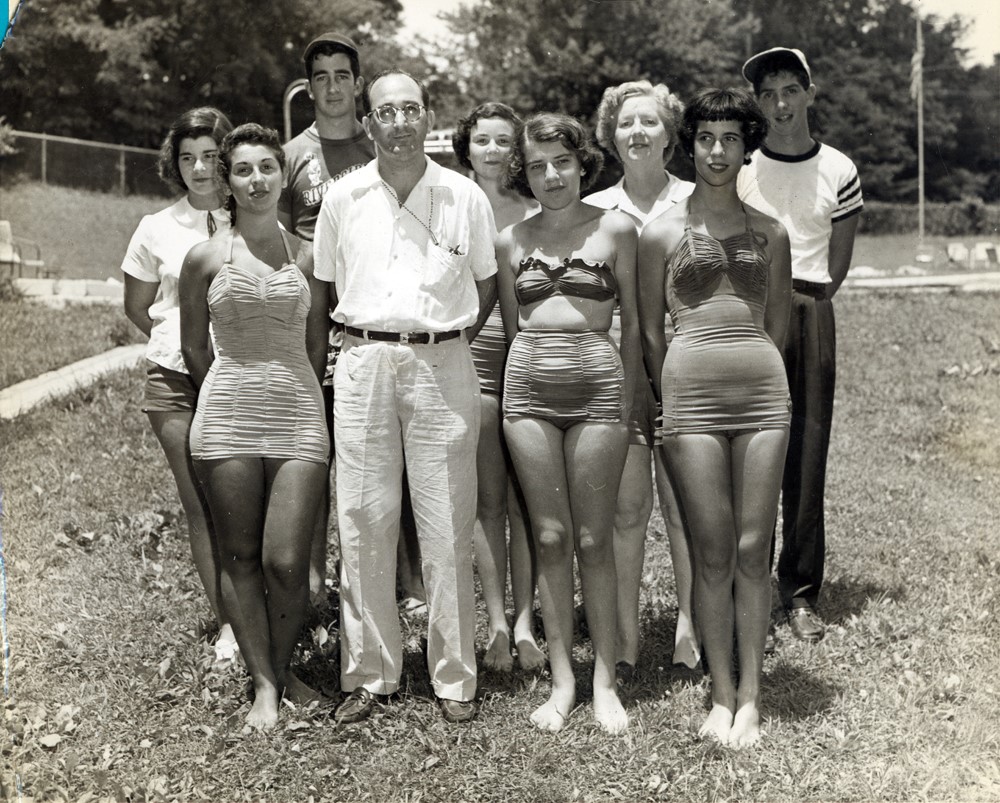
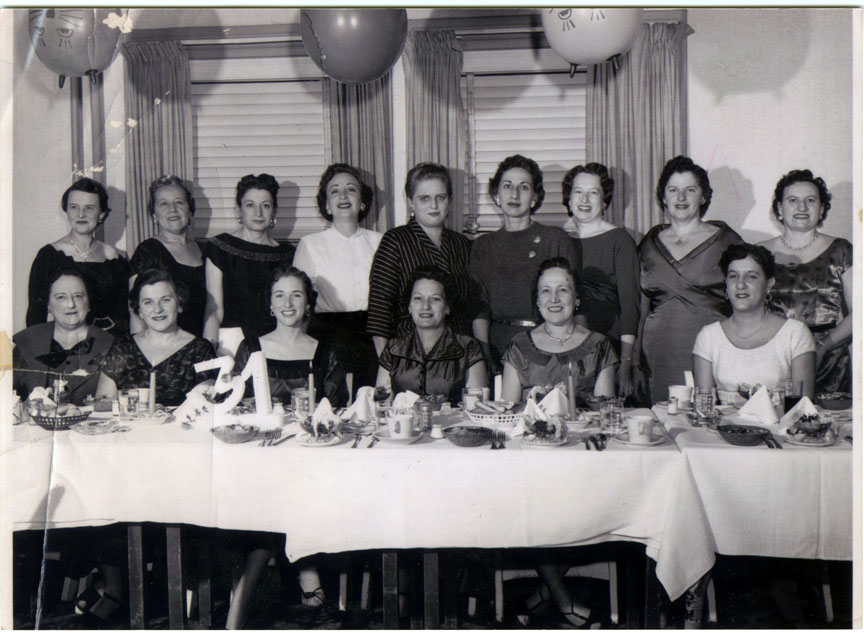
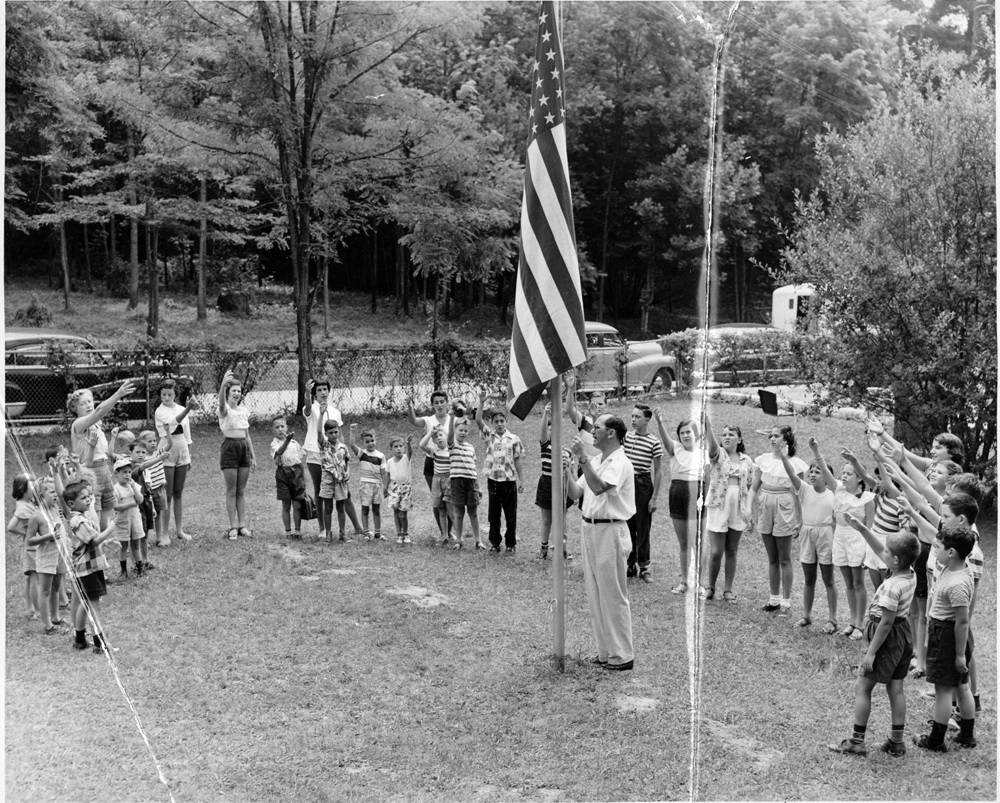
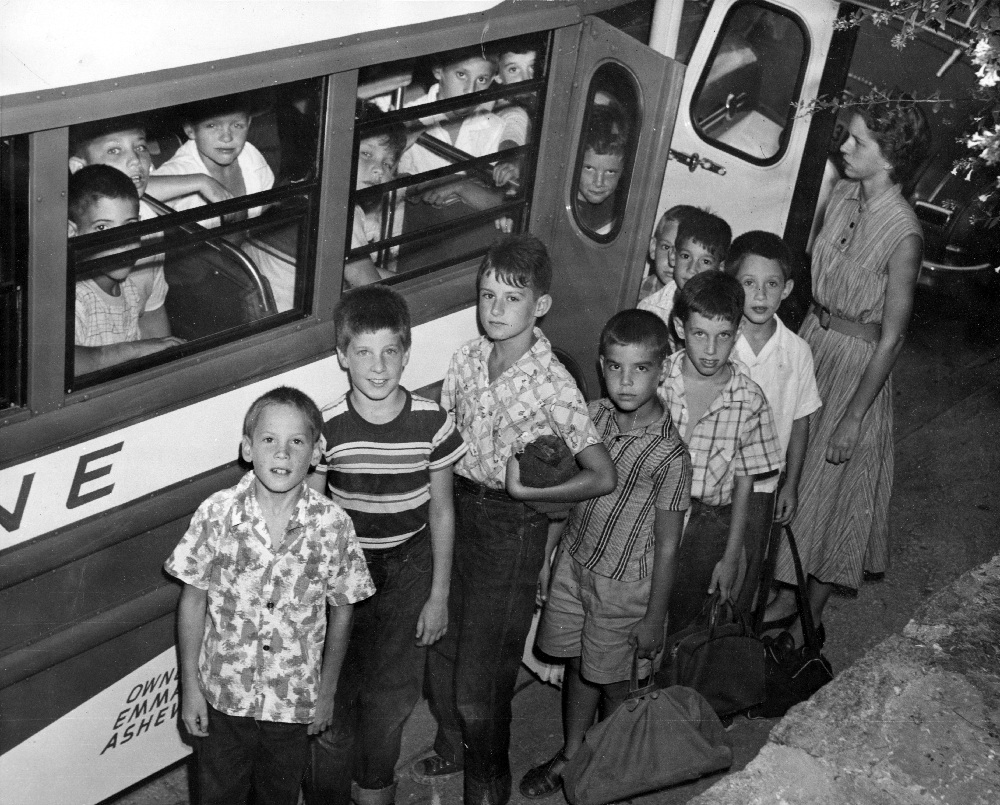
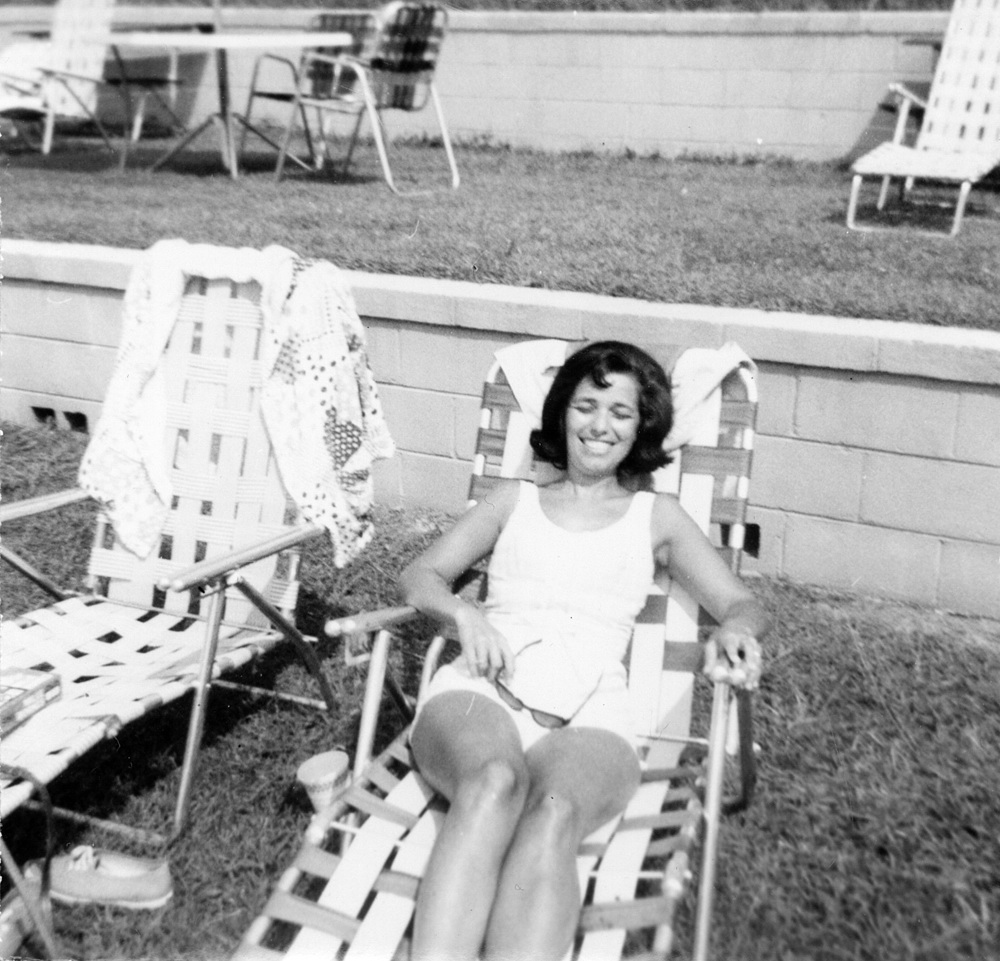
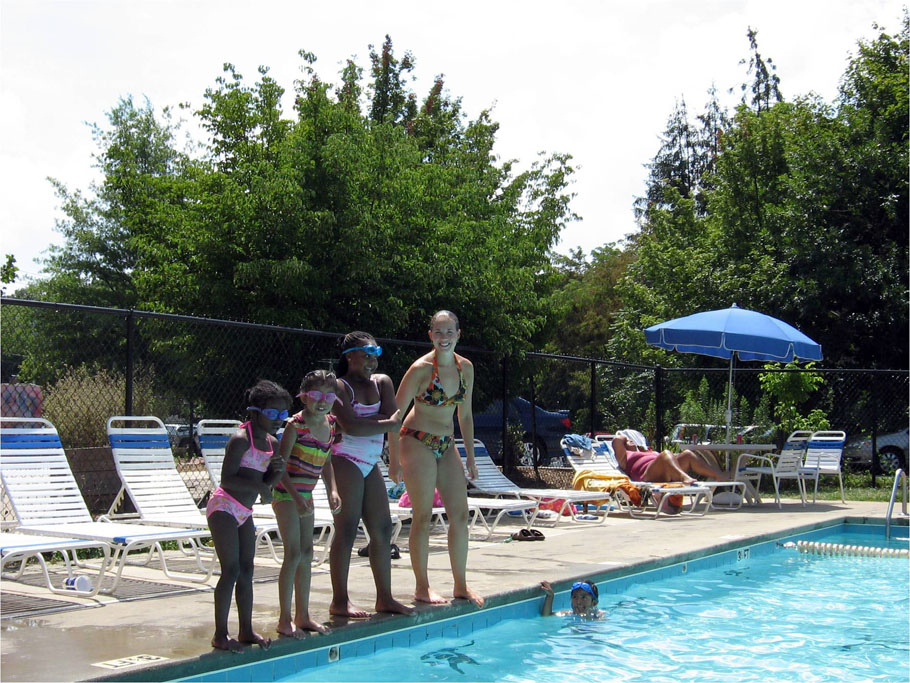
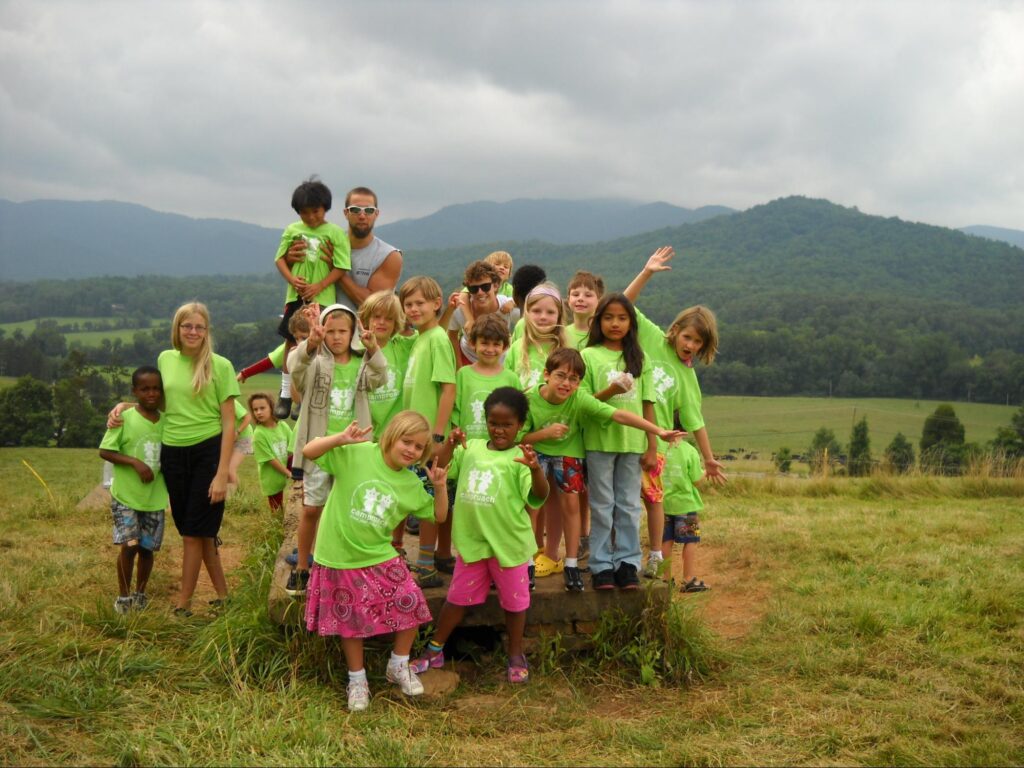
The 1950s were a time of incredible growth for the Asheville JCC. The JCC’s summer day camp, Camp Ruach, was founded in 1951 under camp director Joseph Lalley Jr. as a way to strengthen Jewish identity in the aftermath of the Holocaust. To meet the community’s interest in recreation, an outdoor pool, basketball courts, and a softball field were built in the mid-1950s. Camp Ruach and the pool quickly became cornerstones of summer life for Jewish families, who finally had a place where they could fully belong and build carefree summer memories and traditions. The JCC hosted programs for the JCC’s approximately 170 members, which included an annual Jewish Music Festival and rumba and golf lessons.
Because the JCC’s nursery school, summer camp, and swimming pool were open to people of all faith backgrounds, the JCC began to build bridges and understanding between the Jewish community and people of other faith and cultural backgrounds.

1960s
During the 1960s, the JCC expanded and developed the programs established in the prior decade. In 1962, the JCC’s nursery school evolved into The Seven Dwarfs Preschool. The 1967 Six-Day War saw a surge in interest in the Asheville JCC, and the community fundraised to support the war effort in the JCC social hall. Popular programs included bridge, bingo, community dances (with live music and dance styles including watusi, jerk, monkey, and banana), formal dinners, and youth organizations (including B’nai B’rith AZA fraternity and B’nai B’rith Girls sorority). The JCC hired its first program coordinator and part-time director, Kenneth Michalove, who later became Asheville’s first Jewish mayor.


1970s
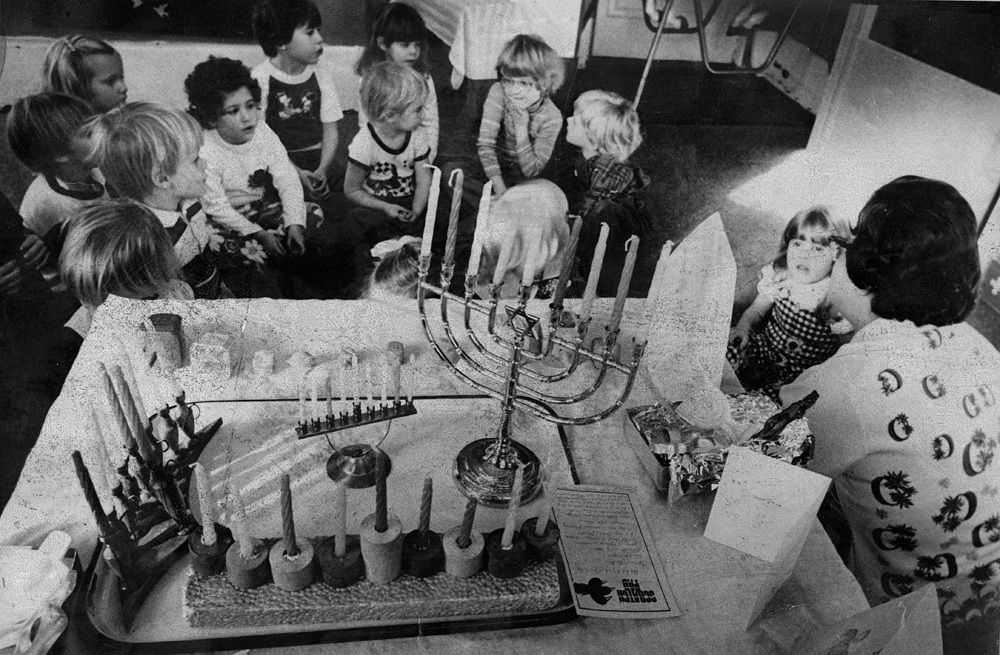
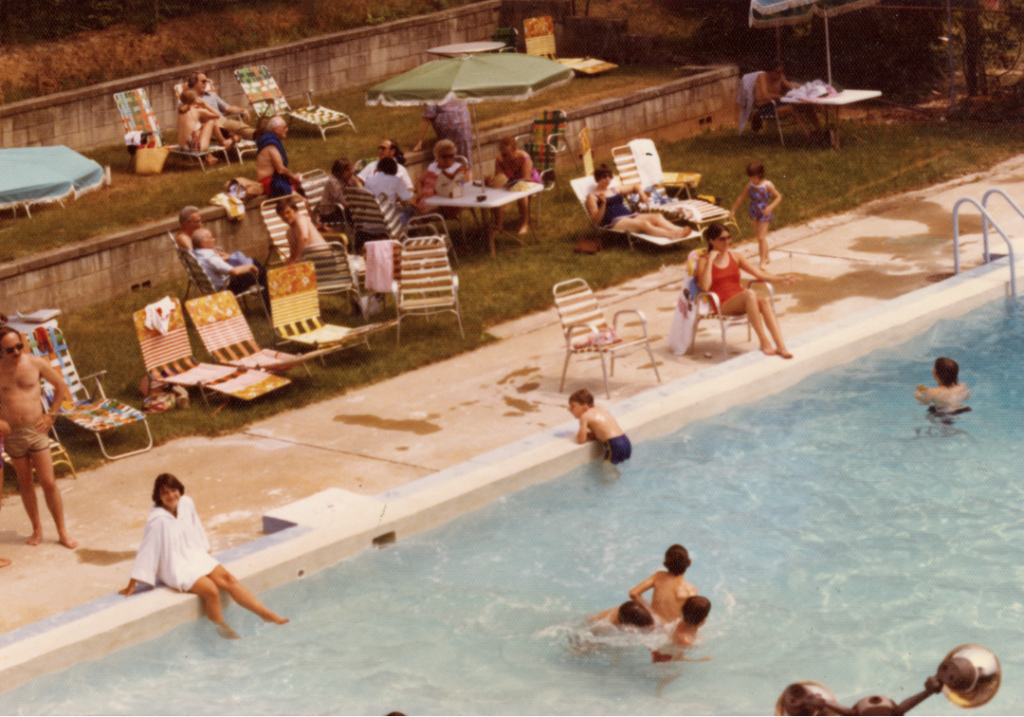
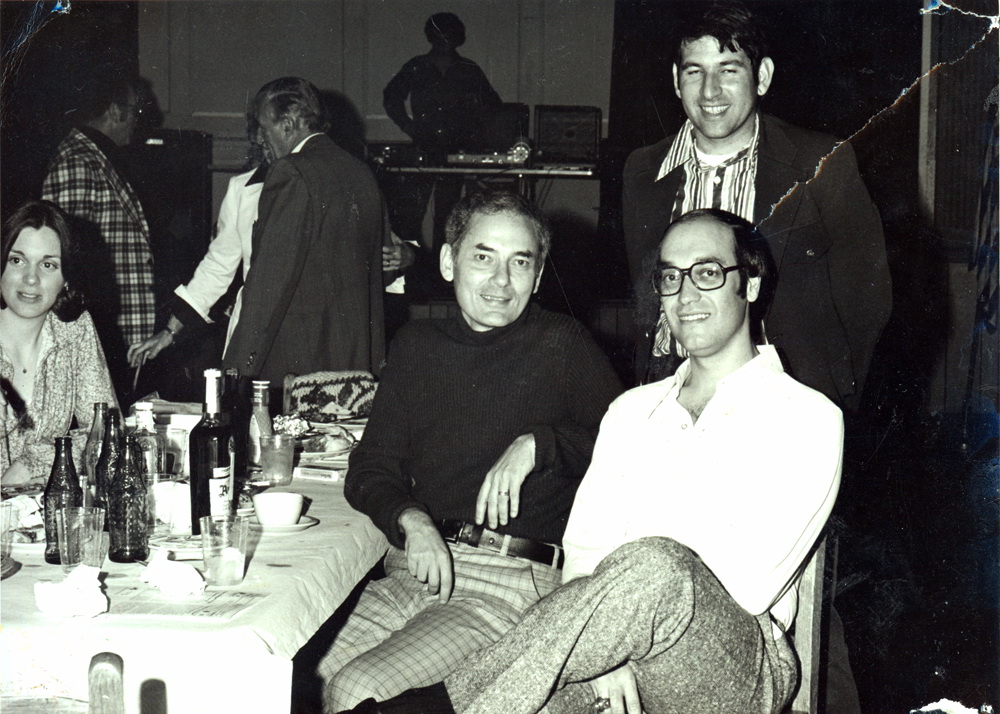
Social, cultural, and recreational programs continued throughout the 1970s, and the Asheville JCC began to expand programming for seniors. The JCC’s “Mature Adult Club” was formed, providing an outlet for socialization, exercise, and education on topics such as the cost of healthcare and how to stay safe at home. “Just Kids” after school (now called JCC Kids) began in the late 1970s. This program provided needed after-school care for working families and kept school-aged children engaged with the JCC year-round. Community life included a women’s ballet class, Israeli film screenings, fashion shows, multiple bridge clubs, bingo, a program for adults with disabilities, youth organizations (B’nai B’rith AZA and Young Judea), and community celebrations including a Chanukah dinner, Purim carnival, and July 4th picnic.

1980
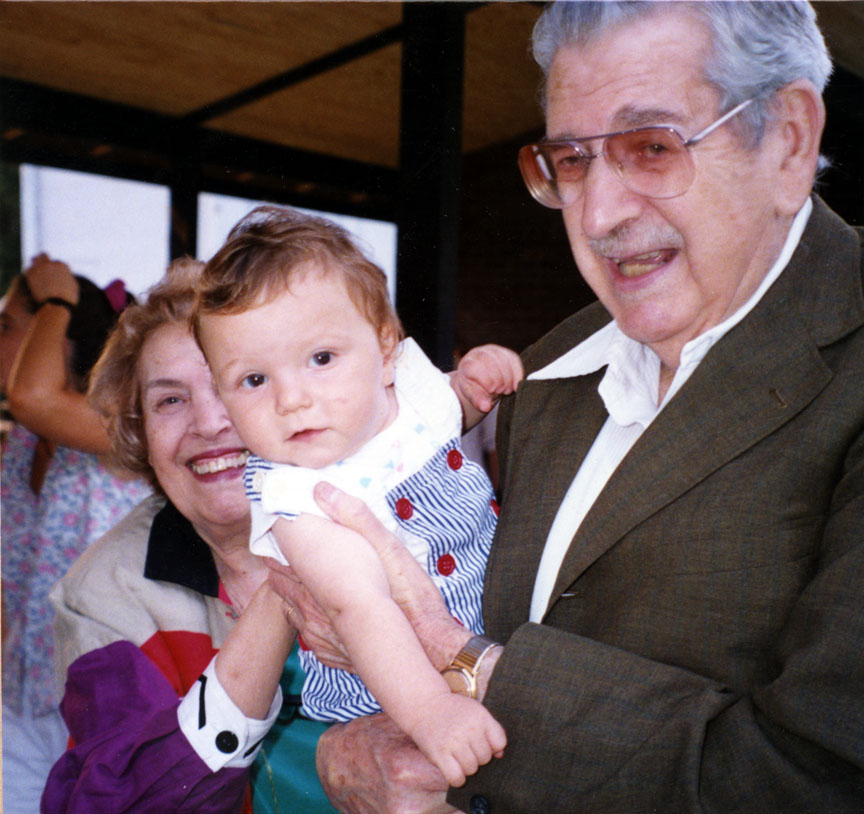
Over the course of the 1980s, the JCC saw many challenges and successes.
An economic downturn in the 70s and 80s threatened the financial stability of the Asheville JCC, and the board considered shuttering the community center. Luckily, Geoffrey Brown and Paul Samuels stepped in and offered to co-lead the organization and help bring it back from the brink. Revenue from rentals to outside businesses helped underwrite costs, and regular bingo games became a major fundraiser.
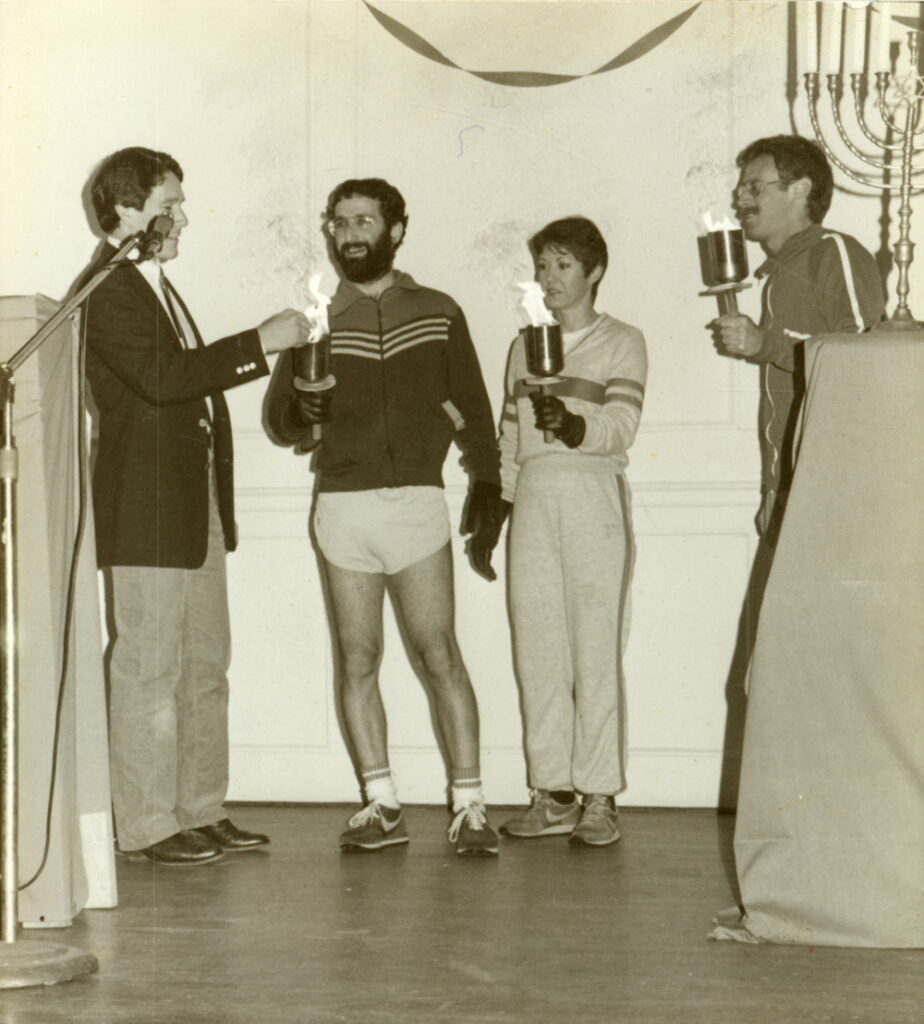
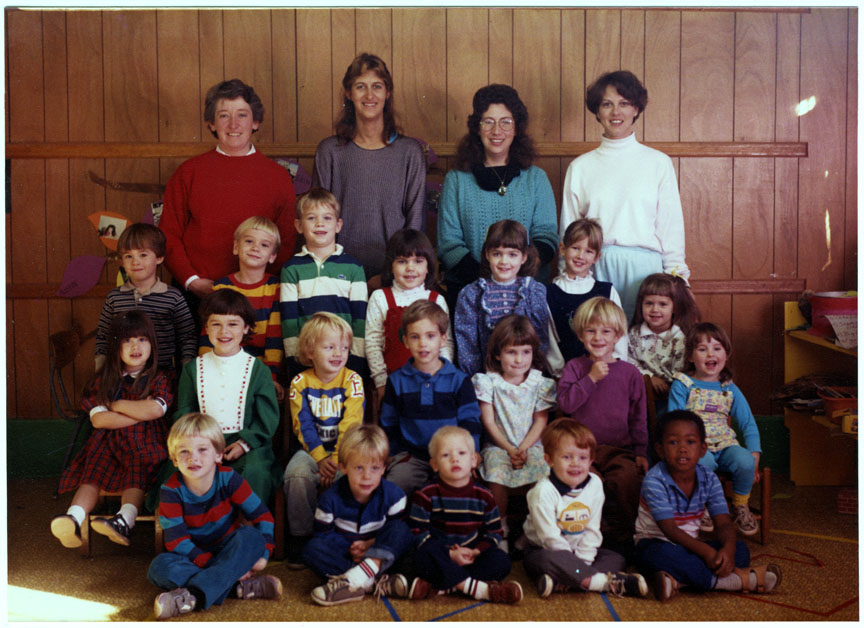
What began as a nursery school and had evolved into Seven Dwarfs Preschool before going dormant, eventually reemerged in 1984 as the JCC’s renowned early childhood program, Shalom Children’s Center. Shalom’s first director was Hilde Hoffman, a refugee from Nazi Germany. The pool, Camp Ruach, and Just Kids continued to provide joyful gathering spaces and needed services for families. An annual Chanukah Torch Run traveled between Pack Square in downtown Asheville and the JCC, going past both Beth Israel and Beth HaTephila. The Torch Run ended with a community menorah lighting and dinner. The JCC hosted a Hebrew language course, a Jewish studies series, visiting speakers, and a book fair and reader’s theatre in honor of Jewish Book Month.


1990s
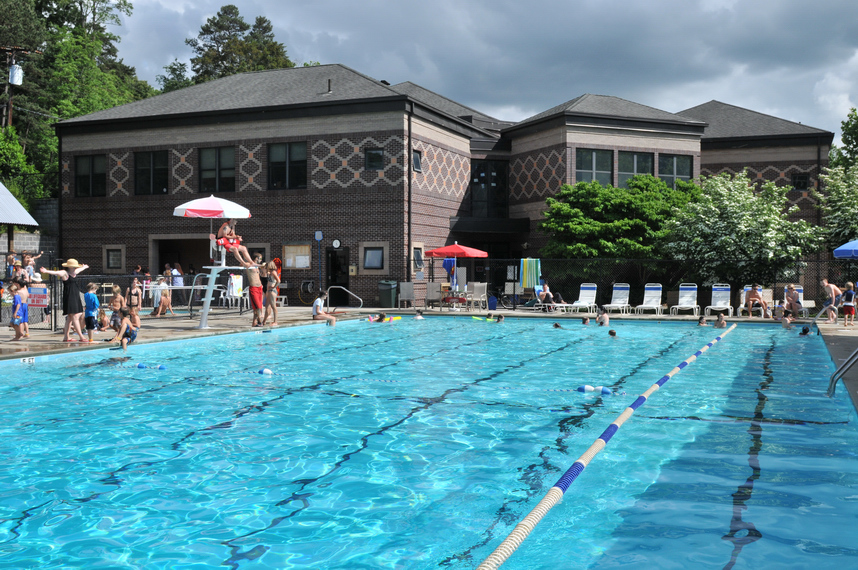
The beloved old house, original home to the Asheville JCC, had become too dilapidated to repair reasonably. Jerry Sternberg led a fundraising campaign to build a new, larger JCC building and new swimming pool to meet the needs of the growing community center. The new 18,000 square-foot facilities were erected on the JCC’s original site and dedicated in 1994. The new social hall was popular for Bar and Bat Mitzvah parties, dances, parties, half-court pickup basketball, and concerts. The beautiful new pool continued the JCC’s tradition of summer recreational swim for members and campers, and became home to a seasonal swim team.
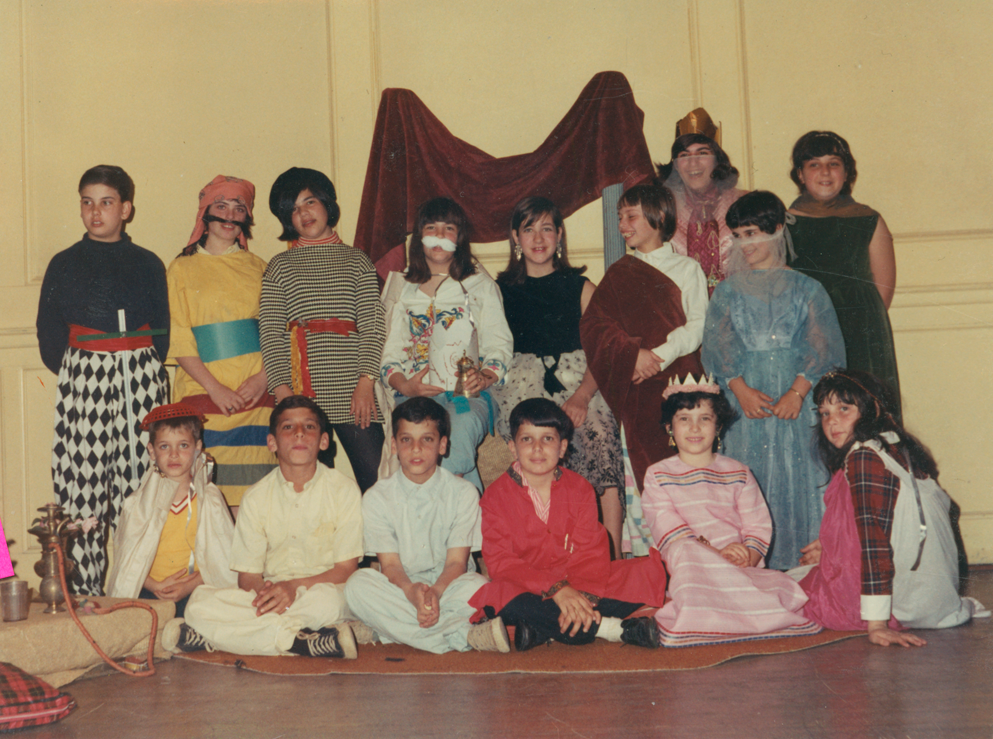
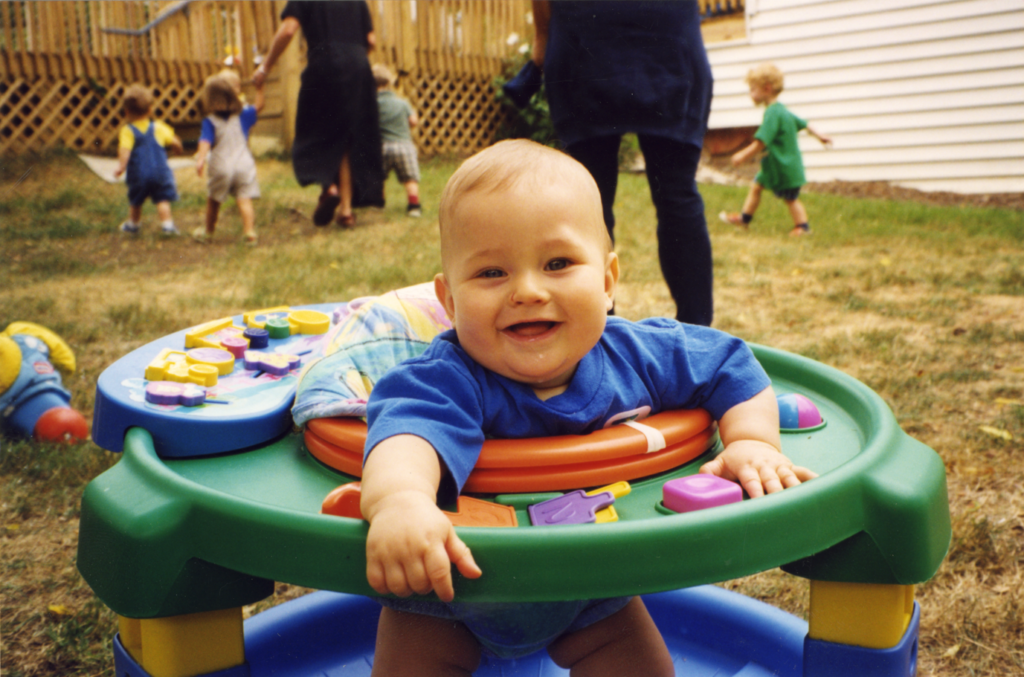
The 1990s were a time of innovation for the Asheville JCC, which served as a program incubator and expanded services across all ages. The Center for Diversity Education began as a program of the JCC, originally to assist teachers in presenting the diverse cultures of the local and global community. The program grew, evolved, and eventually became part of the University of North Carolina Asheville. The Mature Adult Club evolved into the Jewish Council on Aging at the JCC, which expanded to provide holiday kosher meal deliveries and an Elder Day Club. Woven Youth was a volunteer-led youth group that offered trips, Jewish learning, and homework time. Hilde’s House, the JCC’s infant/toddler facility, was founded in 1997 by director Marlene Breger-Joyce, allowing the JCC to provide childcare to our community’s youngest members and their families.
2000s
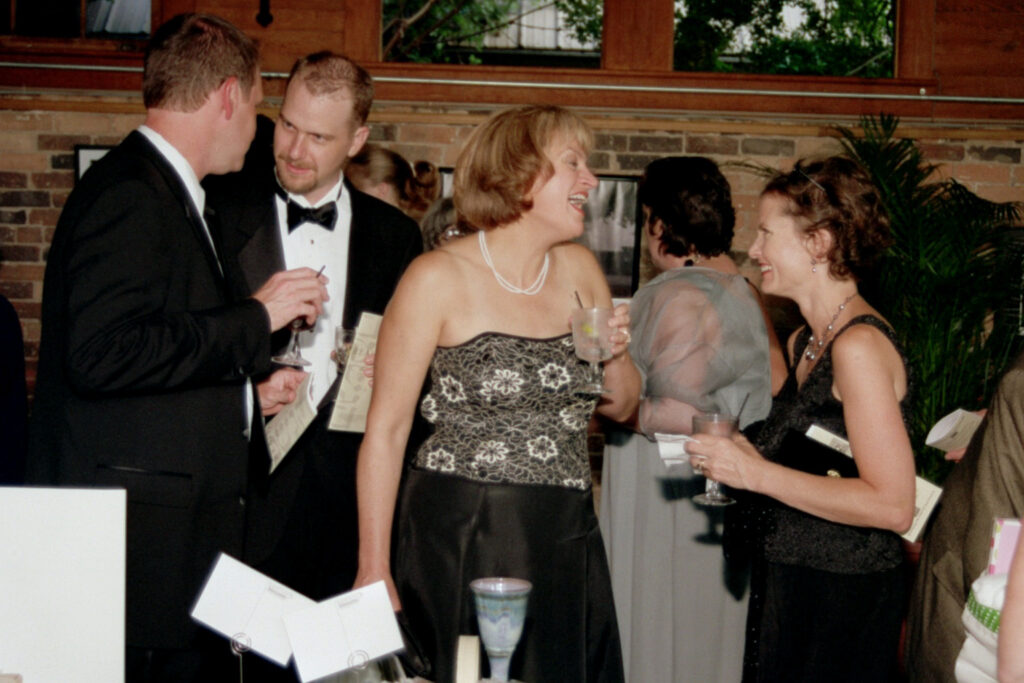
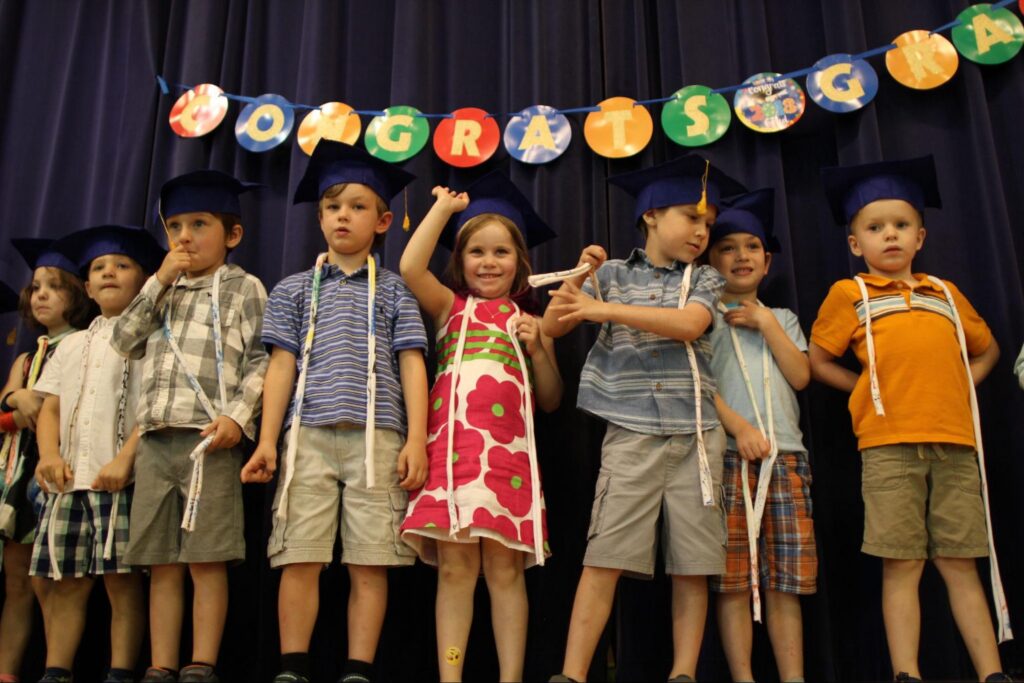
The 2000s brought continued growth and added depth of service to JCC programs. Active teen programming operated year-round, including Gesher and BBYO, which established the local Kol Ha’arim chapter for middle and high school teens. The Jewish Council on Aging evolved into Jewish Family Services and became its own 501(c)(3) nonprofit in 2012. The JCC continued its long-standing tradition of fun and social fundraising events, hosting “Parties Around Town” in even-numbered year summers and galas with notable honorees such as Kerry Friedman, Joe Karpen, and Bob and Carol Deutsch during odd-numbered years. The annual Falafel 5k was founded in 2008. Shalom Children’s Center dedicated a Children’s Educational Garden in 2008 and developed a Jewish garden curriculum that would become a model for JCCs across North America. By 2009, Shalom Children’s Center’s enrollment had outgrown their classrooms and the JCC built a modular structure with two preschool classrooms on leased property on nearby Clyde Street. This lush, green space also provided much-needed outdoor play areas for Camp Ruach.


2010s
The JCC’s growth throughout the early 2000s, coupled with needed repairs and maintenance on the community center’s much-used facility, resulted in an opportunity to dream big. Under the guidance and generosity of Mort Mandel, the JCC conducted a community needs study and created a business plan that expanded aquatics, summer day camp, early childhood education, and social and educational programs for all ages. The Mandel family then supported the project with a one-to-one matching challenge grant for the needed expansion and renovation.
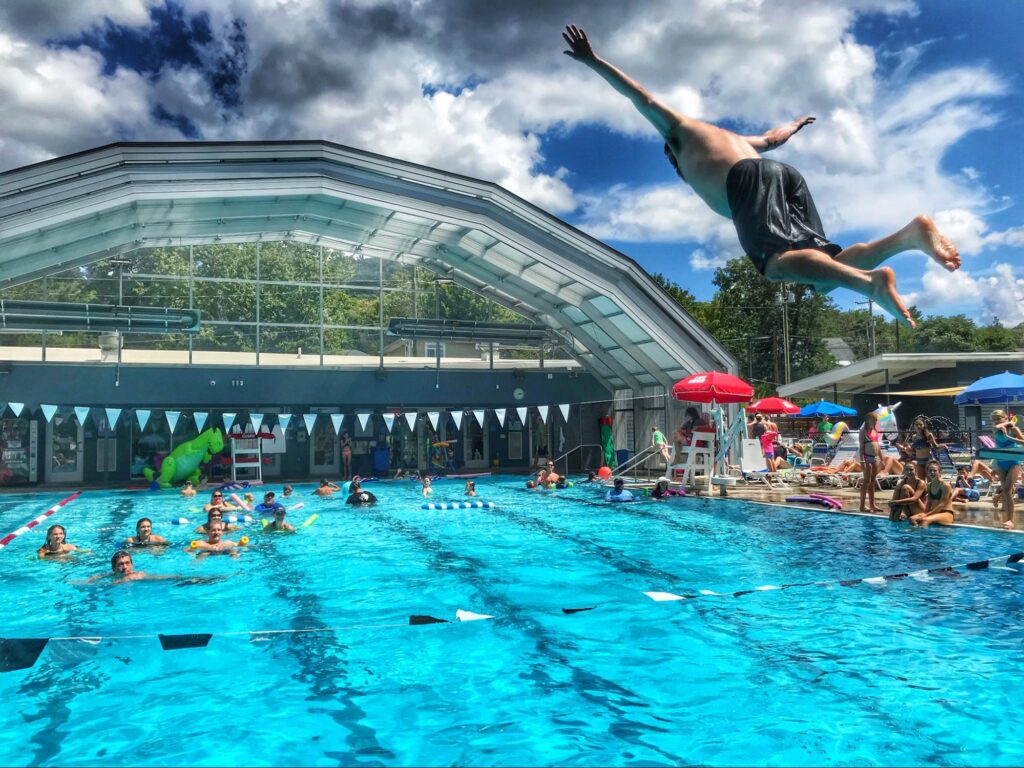
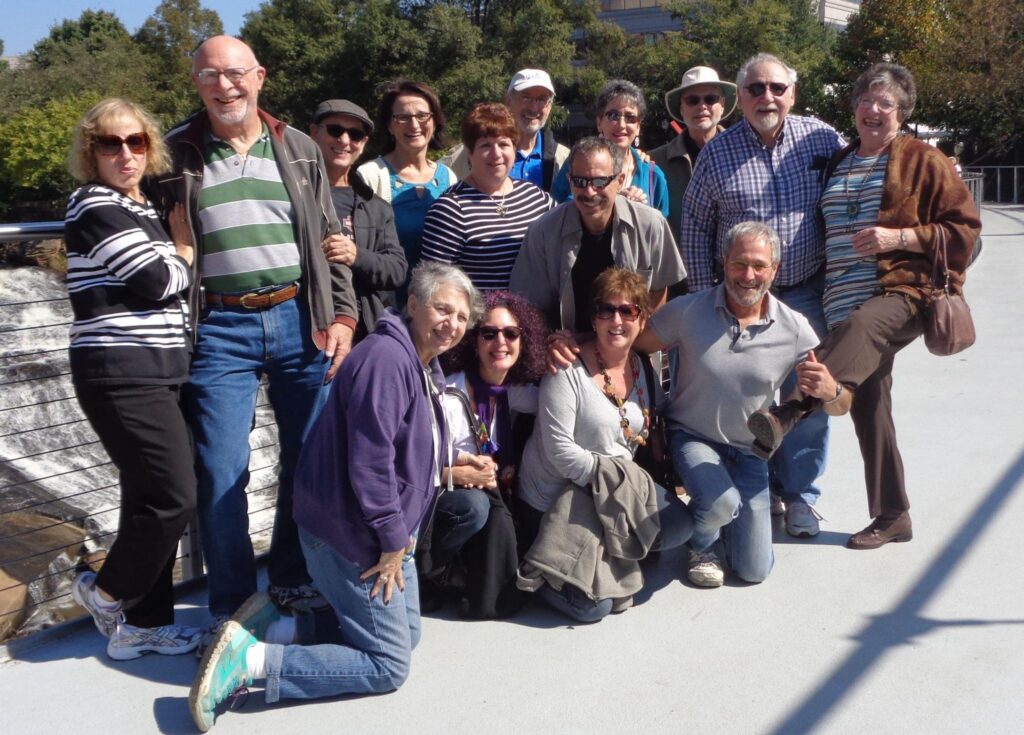
With new classrooms that supported early childhood learning and met modern licensing standards, an aquatics facility with a retractable roof for year-round swimming, dedicated youth programs and adult social/cultural classrooms, and a renovated social hall, the JCC was poised to meet the community’s evolving needs. The JCC launched PJ Library in 2016, mailing Jewish children’s books each month to families across Buncombe County. Community life included included gourmet potlucks with TAG (the Adult Group); newcomer’s receptions; Shabbatluck dinners with YAJA (Young Adult Jews of Asheville); Welcome Shabbat for seniors in assisted living; an annual tashlich ceremony, Sukkot festival, and Purim carnival; and Cooking with Kate classes for young families.


2020s
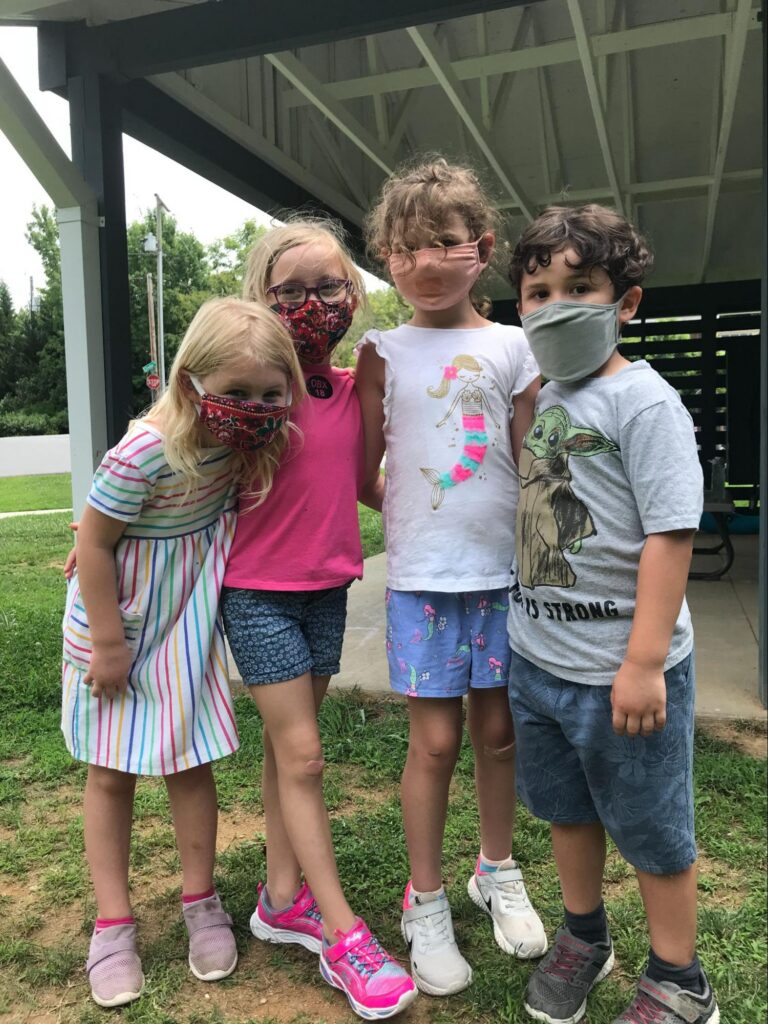
The Asheville JCC has weathered a number of crises in the 2020s, and also became a port in the storm for the local Jewish community and North Asheville neighborhood. While the COVID-19 pandemic forced a temporary communal shutdown and quarantine , the JCC reopened essential childcare services immediately as regulations allowed. Adaptations to meet community needs included launching a podcast during quarantine and later allowing JCC Kids participants to attend virtual school from the JCC and have much-needed outdoor time with peers.
In 2024, Western North Carolina was decimated by Hurricane Helene. Asheville was without power for weeks, and without running water for a month. The JCC responded with “Fill for Flushing,” allowing community members to take pool water from the aquatics facility in order to flush their toilets at home. Childcare programs again opened as quickly as regulations allowed, even before the city had potable water, in order to meet community needs.
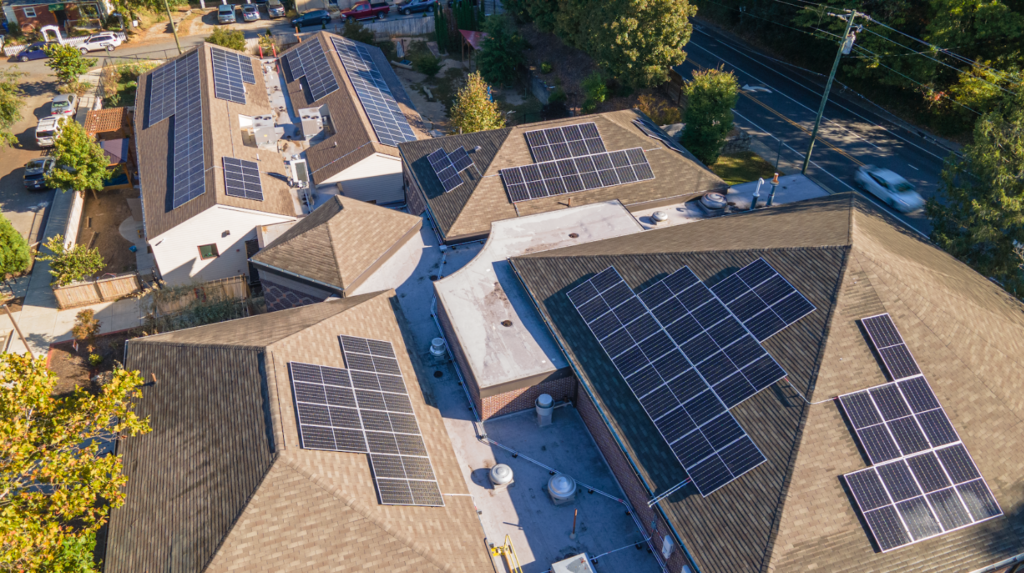
While juggling challenges, the JCC also continued to evolve and strengthen. Hilde’s House infant/toddler facility underwent a significant renovation, bolstering and beautifying the home to last another 100 years. The JCC’s swim team grew and affiliated with USA Swimming, the community center added a solar array to help power the main facility, and Brunch B’Yachad became a weekly staple for Jewish adults aged 55+ in the community.



The JCC Today
Today the JCC is the central home for Asheville’s Jewish communal life, as well as a place that continues to welcome countless people from all faiths and backgrounds. On a daily basis, the JCC strengthens Jewish identity, celebrates Jewish culture and builds community through a wide variety of social, cultural, and educational programs for people at every stage of life. The JCC provides high quality, award-winning early childhood, after school, summer camp, aquatics, and adult programs.